
Find Arizona Divorce Decree Records
Divorce decrees in Arizona come from county Superior Courts where the case was filed and heard. Each of the 15 counties in Arizona keeps its own files through the Clerk of the Superior Court office. You can look up divorce decree records online through state court portals, visit the clerk office in person, or submit a written request by mail. Some counties provide free online access to case information while others charge fees for record searches or document copies.
Arizona Divorce Decree Quick Facts
Where Divorce Decrees Are Kept
The Clerk of the Superior Court in each Arizona county maintains all divorce decree records for cases filed in that county. This is where the final signed decree gets stored after the judge grants the divorce. The clerk office acts as the official custodian of these court records. If you need a copy of your divorce decree or want to search for one, you start with the clerk office in the county where the case was filed. Most counties in Arizona have had these records since the county was formed, sometimes going back over 100 years.
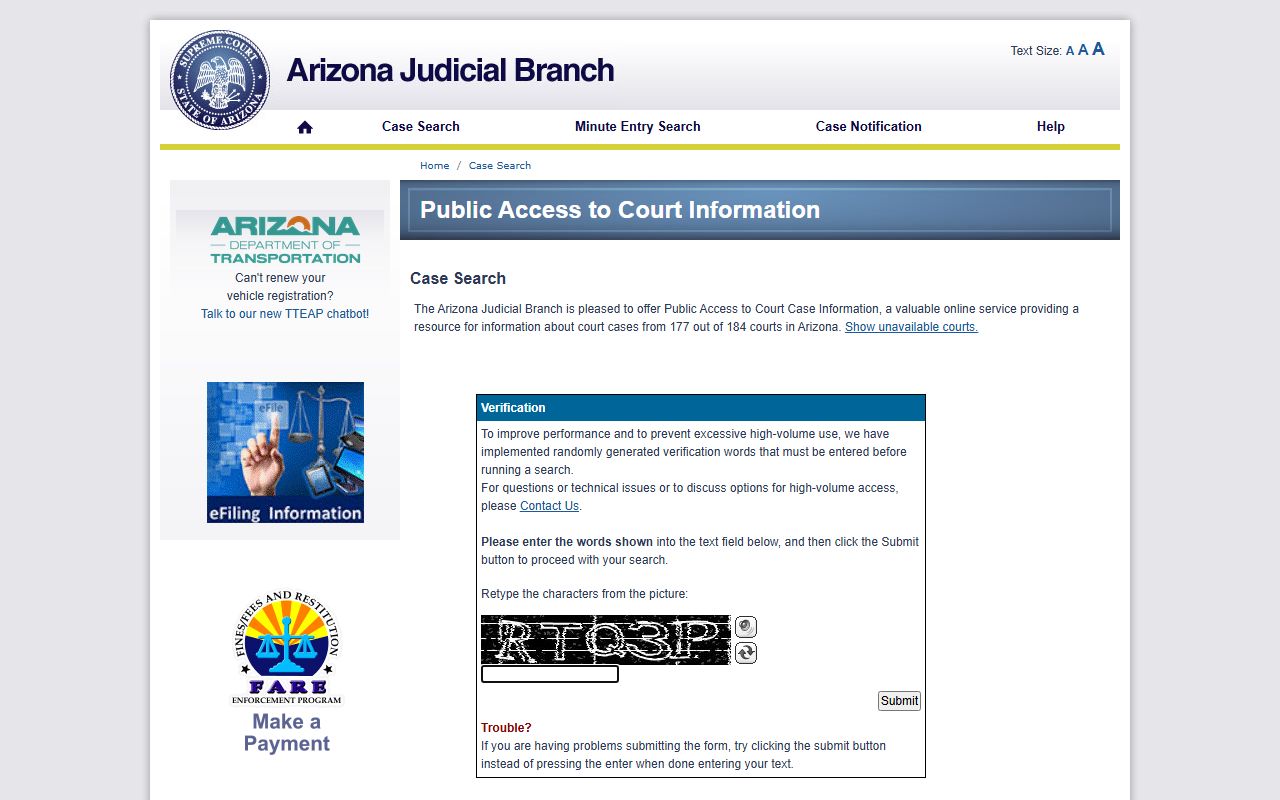
Arizona also has statewide systems that help you find divorce cases across multiple counties. The Arizona Public Access system lets you search case records from 153 out of 180 courts in the state. You can look up cases by name or case number. The system shows basic case info like filing dates, party names, and case status. It does not give you the full text of the decree, but it helps you confirm which county holds the record you need.
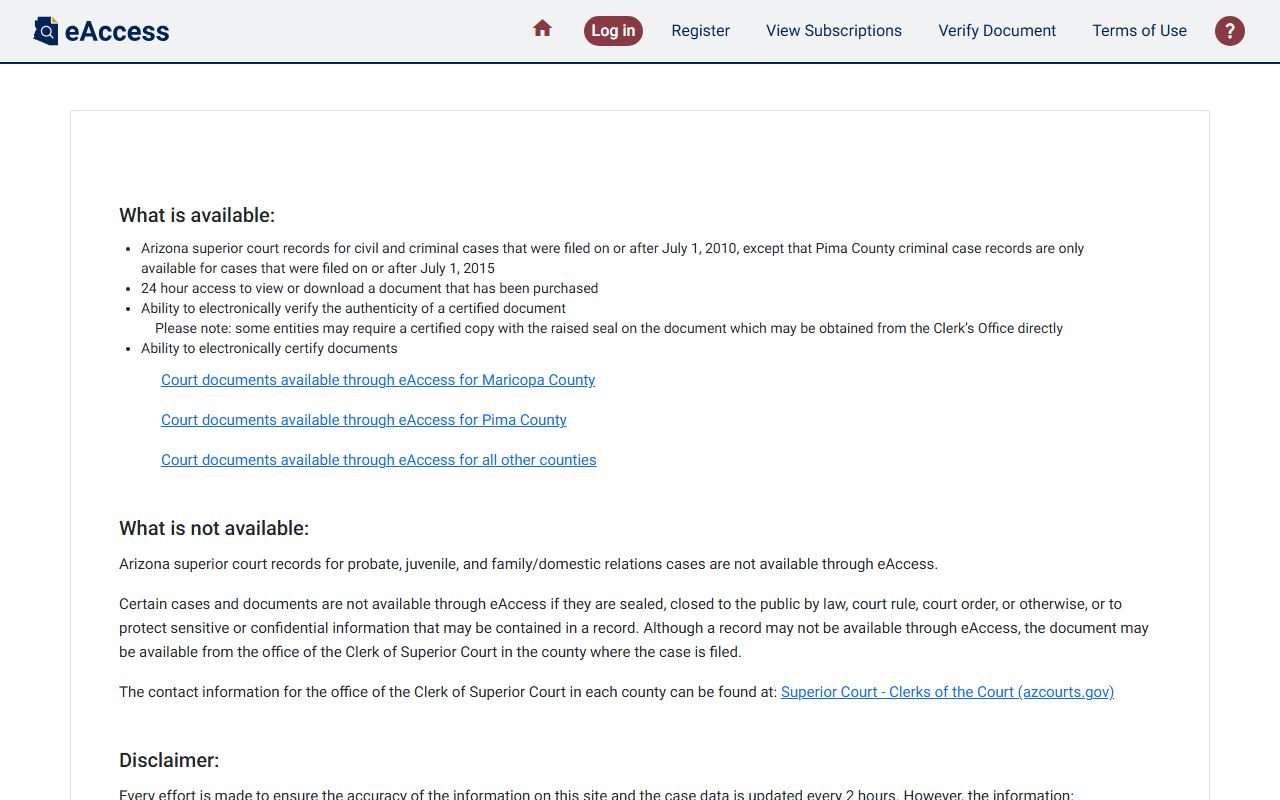
The Arizona eAccess Portal provides another way to get divorce decree documents online. This system is available for cases in many counties. You can view and download documents for a one-time fee of $10 per document. Some users register for monthly subscriptions if they need access to many records. Government agencies can often access records at no charge. The portal is at azcourtdocs.gov and works 24 hours a day.
Note: Not all counties participate in every online system, so you may still need to contact the clerk office directly for some records.
How to Search for Divorce Decrees Online
The Arizona Public Access Case Lookup is the main tool for finding divorce cases across the state. Go to apps.azcourts.gov/publicaccess/caselookup.aspx to start. You pick the county first. Then you can search by party name, case number, or attorney name. The system shows case details like the filing date, case type, and current status. This is a free search tool. It helps you confirm which county has your divorce decree record.
If you need the actual divorce decree document, use the eAccess portal. Log in or create an account at azcourtdocs.gov. Search for the case. Once you find it, you can view a list of all documents filed in that case. Pick the final decree or any other document you need. The system charges $10 for each document you download. Payment is by credit card. The document comes as a PDF file that you can save or print.
Some counties also have their own online portals separate from the state systems. Maricopa County, for example, offers ECR Online for registered users. Pima County has a records request form on their website. Check the county clerk website to see what options they offer. County-level systems sometimes have more documents or features than the statewide portals.
What a Divorce Decree Contains
A divorce decree is the final court order that ends a marriage. The judge signs it after reviewing the case. The decree states that the marriage is dissolved. It also includes terms for child custody if the couple has kids. Support obligations appear in the decree. Property division gets spelled out. Debt responsibility is assigned. If one spouse will pay alimony, that goes in the decree too. The decree is the legal proof that the divorce is final.
The full case file holds more than just the final decree. It starts with the petition for dissolution of marriage. The responding spouse files an answer. There may be motions for temporary orders. Financial affidavits show each person's income and assets. If the couple reached a settlement, that agreement is in the file. If they went to trial, transcripts or minute entries describe what happened in court. All these documents together make up the complete divorce record.
You can ask for any part of the case file when you request records from the clerk office. Some people only need the final decree. Others want the whole file. The clerk charges a per-page fee for copies. Most counties charge 50 cents per page. If you need a certified copy, there is an extra fee for the certification. Certified copies have a raised seal and the clerk's signature, which some agencies require as proof of the divorce.
Arizona Divorce Decree Laws
Arizona is a no-fault divorce state. You do not need to prove that one spouse did something wrong. The legal term used in Arizona is "dissolution of marriage" rather than divorce. The only ground you need is that the marriage is irretrievably broken. This means there is no hope of fixing it. Both spouses can agree on this, or one spouse can claim it even if the other disagrees.
To file for a dissolution in Arizona, at least one spouse must have lived in the state for 90 days before filing. This is shorter than the residency rule in many other states. You file in the Superior Court of the county where either spouse lives. The petition starts the case. The other spouse gets served with the papers and has a chance to respond. If both agree on all terms, the process can move quickly through something called a consent decree.
Arizona law also has special rules about covenant marriage. This is a different type of marriage that some couples choose. Covenant marriages have stricter rules for divorce. You must show fault or live apart for a set time before you can get a decree. Regular marriages do not have these limits. Most divorces in Arizona are from regular marriages, so the no-fault dissolution process applies.
Property division in Arizona follows community property rules. Assets and debts acquired during the marriage belong to both spouses equally. The court divides community property fairly, which usually means a 50-50 split. Separate property, like what you owned before marriage or received as a gift or inheritance, stays with the person who owns it. The divorce decree will list what property goes to each spouse and how debts are split.
Child custody decisions appear in the decree if the couple has minor children. Arizona uses the term "legal decision-making" instead of custody. The decree says who makes major decisions about the child's life. It also includes a parenting time schedule. Child support is calculated using state guidelines based on income and the number of children. The decree includes the support amount and how long it must be paid.
Note: Older divorce decrees may use different legal terms since Arizona laws have changed over time.
Fees for Divorce Decree Copies
Getting a copy of a divorce decree costs different amounts based on what you need and which county you contact. Most Arizona counties charge 50 cents per page for plain copies. A typical divorce decree is 5 to 15 pages, so expect to pay $2.50 to $7.50 for an uncertified copy. If you want a certified copy with the clerk's seal and signature, add $35 to that amount in most counties. Some counties charge $30 or $33 for certification instead of $35, but the difference is small.
If you need the clerk office to search for your case and they do not have a case number, some counties charge a research fee. This fee is usually $35 per year or per source they have to check. Maricopa County, Pinal County, and Mohave County all list this research fee on their websites. If you know your case number, you avoid this extra charge.
Mailing fees apply when you want the clerk to send copies to you. Most counties charge $8 for postage and handling. This covers the cost of the envelope, postage, and staff time to process your mail request. A few smaller counties charge $7 instead. Payment methods vary by county. Many accept credit cards, money orders, and cashier's checks. Personal checks are often not accepted, especially in larger counties like Maricopa.
The eAccess portal charges $10 per document for one-time downloads. This is separate from county fees. You pay the $10 to the state system. If you need a certified copy, you still have to go through the county clerk office because online downloads are not certified. The eAccess system is useful when you need a regular copy fast and do not want to visit or mail the clerk office.
Steps to Get Your Divorce Decree
Start by figuring out which county handled your divorce case. If you filed in Maricopa County, you go to the Maricopa County Clerk of the Superior Court. The same applies to all other counties. Each county only has records for cases filed there. If you are not sure which county, try the Arizona Public Access search to locate the case first.
Most county clerk offices let you request records in person, by mail, or online. For in-person requests, go to the clerk office during business hours. Bring a photo ID. Tell the clerk staff what case you need. If you have the case number, give it to them. If not, give the full names of both spouses and the approximate date the divorce was finalized. The clerk will search the records and make copies for you. You pay the fees and get the copies right away in many cases.
For mail requests, send a letter to the clerk office. Include the case number or the names of both spouses and the divorce date. Say whether you want a plain copy or a certified copy. Include your mailing address and a check or money order for the fees. Some counties let you call them first to confirm the exact fee so you send the right amount. Processing time for mail requests is usually 5 to 10 business days after they receive your payment.
Online options vary by county. Check the county clerk website to see if they have an online records request form or portal. Counties like Maricopa, Pima, and Coconino offer online ways to request records. You fill out a form, pay by credit card, and they mail or email the documents to you. This can be faster than mailing a letter and waiting for a response.
Old Divorce Decree Records
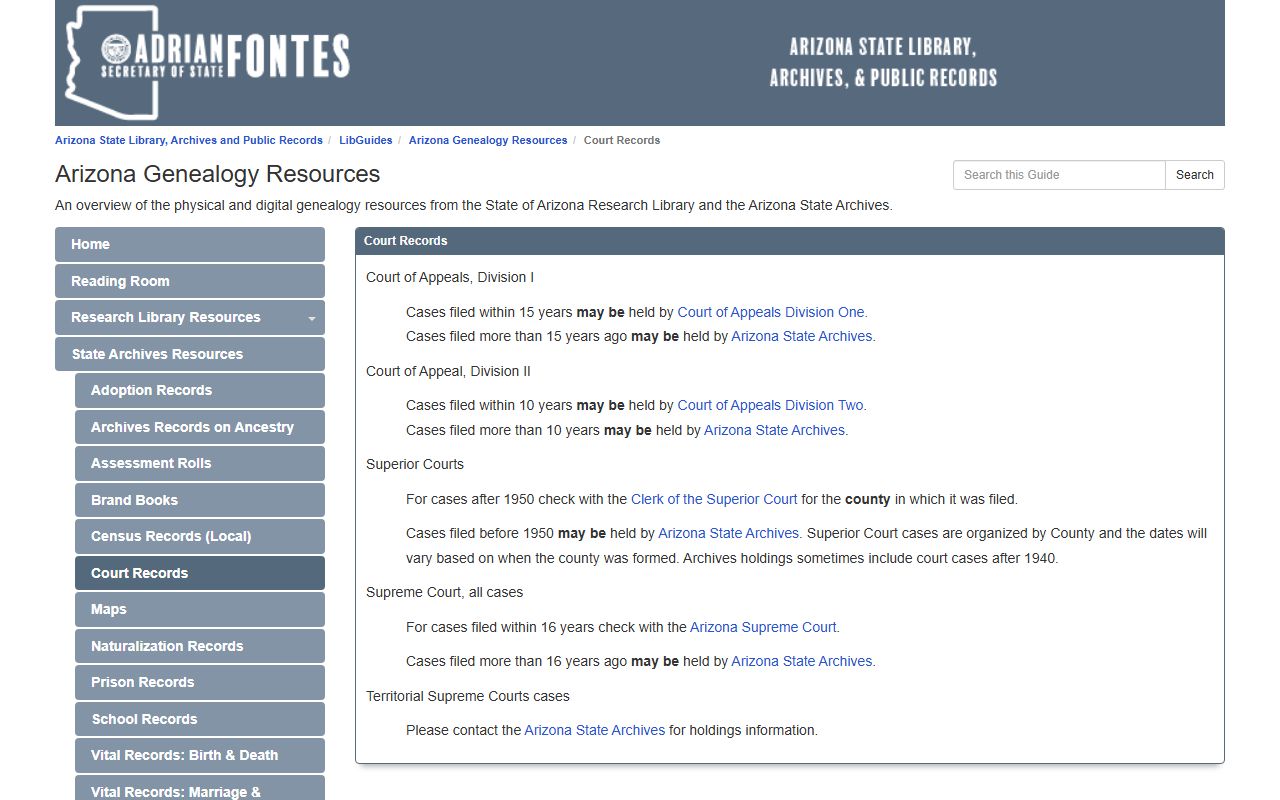
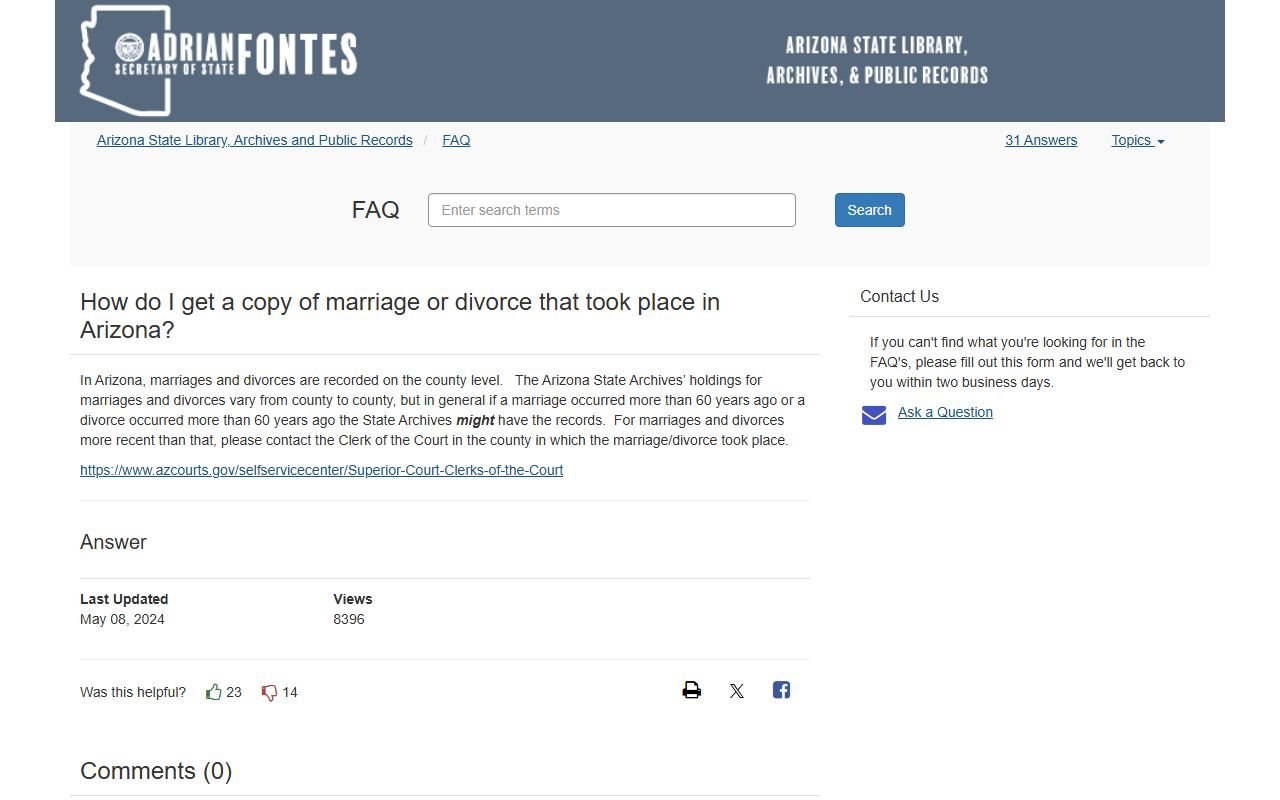
Divorce decrees from many decades ago may be stored differently than recent ones. The Arizona State Library, Archives and Public Records holds historical court records for some counties. Their holdings for divorce cases generally range from 1864 to 1972. Not every county's old records are at the Archives. Coverage varies based on when the county was formed and what records the county transferred to the state.
If your divorce decree is from before 1950, start by contacting the Arizona State Archives. Their website is at azsos.libguides.com/azgenealogy/marriagedivorce. They have indices for many civil divorce cases. You can search by name to find the case number. The Archives can provide copies of documents from cases in their collection. There may be fees for research and copying.
For cases after 1950, the county clerk office usually still has the records. Some clerk offices have moved older files to off-site storage. This means it may take a few extra days to retrieve them. Call the clerk office before you visit if you need a very old decree. They can tell you if the file is on-site or if they need time to pull it from storage.
Note: Records from the 1800s and early 1900s may be handwritten and harder to read than modern typed documents.
Help with Divorce Cases in Arizona
Several resources exist for people who need help with divorce in Arizona. Arizona Court Help is a self-service website at azcourthelp.org. It has forms, step-by-step guides, and information about the court process. You can learn how to file for divorce, respond to a divorce petition, or modify an existing decree. The site is free to use and available any time.
Community Legal Services offers free legal help to low-income Arizona residents. They handle family law cases including divorce. Their offices are in Phoenix, Tucson, and Flagstaff. You can call them to see if you qualify for their services. Legal aid groups like DNA People's Legal Services also help in certain parts of the state.
Each county Superior Court has a self-service center. Staff there can answer questions about court procedures. They cannot give legal advice, but they can help you fill out forms and understand court rules. These centers are located at the courthouse and are free to use. Hours vary by county, so check the court website before you go.
Public Access to Divorce Decrees
Divorce decree records are generally public in Arizona. This means anyone can request and view them. You do not need to be one of the spouses in the case. You do not have to give a reason why you want the record. The clerk office will provide copies to any person who asks and pays the fee.
Some information in divorce cases may be restricted. Cases involving allegations of domestic violence sometimes have protective orders that seal certain details. Financial account numbers may be redacted from public copies to prevent identity theft. Information about minor children can also be limited in some situations. If the court sealed the entire case, you will not be able to access it without a court order.
Most divorce decrees are not sealed. The final decree and most documents in the case file are open to the public. This is part of the principle that court proceedings should be transparent. If you are unsure whether a case is sealed, ask the clerk office. They can tell you if the case is available or restricted.
Divorce Decree Records by County
Each Arizona county handles its own divorce decree records. Select a county below to find contact details, online resources, and local procedures for getting copies of divorce decrees.
Divorce Decrees in Major Cities
Residents of Arizona cities file for divorce at the Superior Court in their county. Choose a city below to learn where divorce decree records are kept for that area.